Where do they come from? Where do they go? Investigating Sources
Part of GOTHAAM is to understand where the gases and aerosols in our atmosphere come from and the relative importance of each source. Researchers are looking at three “chemical systems” or types of environments that are sources of gases and aerosols: forests, oceans, and urban environments. This makes the New York Metropolitan area an ideal place for this project, as it is located near all three environments.
Forests
Within forests, trees and other plants release gases into the atmosphere. Some of these gases are called volatile organic compounds or VOCs and can react to affect air quality. Because they originate from non-human or natural environments, they are called biogenic VOCs or BVOCs.

New York is one of the most heavily forested states in the Northeast, with forested lands accounting for nearly 63% of the state, or about 18.6 million acres.
WikiCommons
BVOCs are incredibly important to understand as they are abundant in the atmosphere and highly reactive. Some are their lifetimes are on the order of minutes to hours. In particular they can react to either produce or destroy harmful, ground-level ozone. The lifetime (how long they last before reacting) and concentrations (how much) of BVOCs vary in the atmosphere and are affected by the temperature, the amount of light, and air pollutants such as NOx. Some important BVOCs groups that scientists look at and measure include isoprene and monoterpenes.
Oceans
When waves crash along the shoreline and bubbles burst in the open ocean, groups of reactive chemicals called halogens are released. Halogens such as chlorine or bromine, can transform gases like VOCs to make harmful ozone. Understanding how halogens, along with aerosols, and gases, are being emitted from oceans and how they chemically react to affect air pollution that occurs is critical to understanding how the ocean environment is influencing the air we breathe.
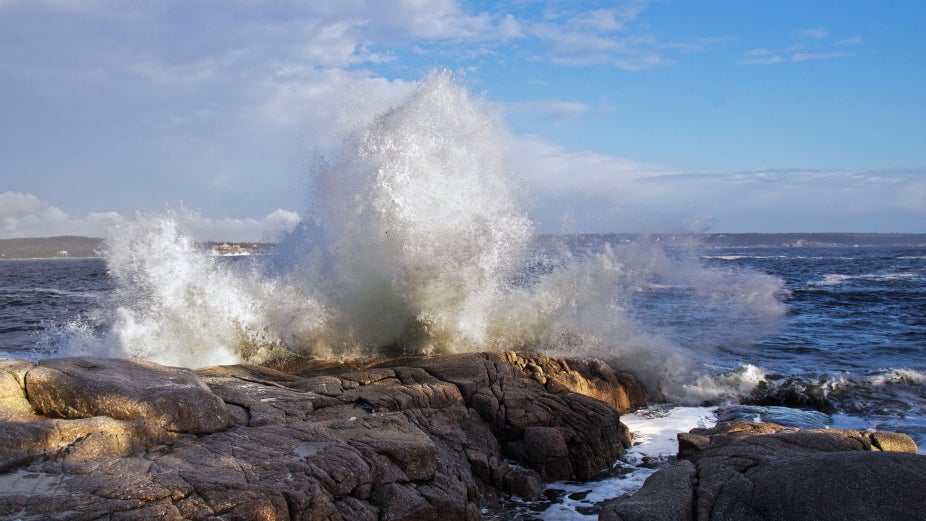
Halogens such as bromine and chlorine are emitted into the atmosphere from the ocean.
Admitter/CC BY-ND 2.0
Urban Centers
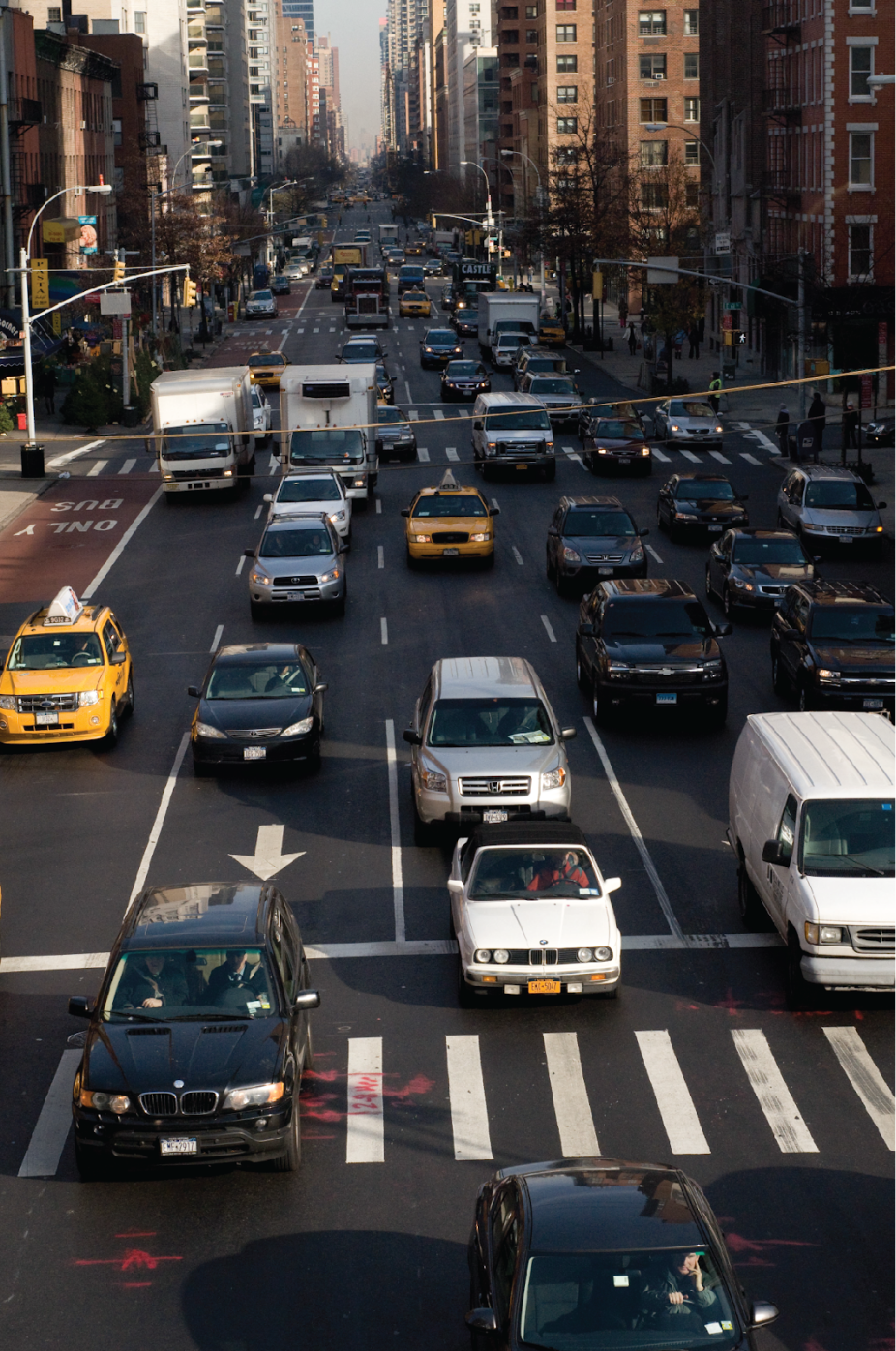
Human activities such as the burning of fossil fuels can negatively impact the air quality in urban centers.
WikiCommons
Urban centers–large, densely populated areas such as the New York metro area–contribute a variety of gases and particles into the atmosphere, where many undergo chemical reactions to create harmful air pollutants such as ground-level ozone and particulate matter. These pollutants negatively impact human health, increasing the risk of heart and lung disease and worsening respiratory conditions.
Understanding the processes that create air pollutants is complex, as there are many gases and particles of different sizes, structures, and composition–leading to a “complex chemical soup” in urban areas. GOTHAAM scientists aim to understand these chemical processes to help inform decision makers and communities, and address air quality issues in urban areas.
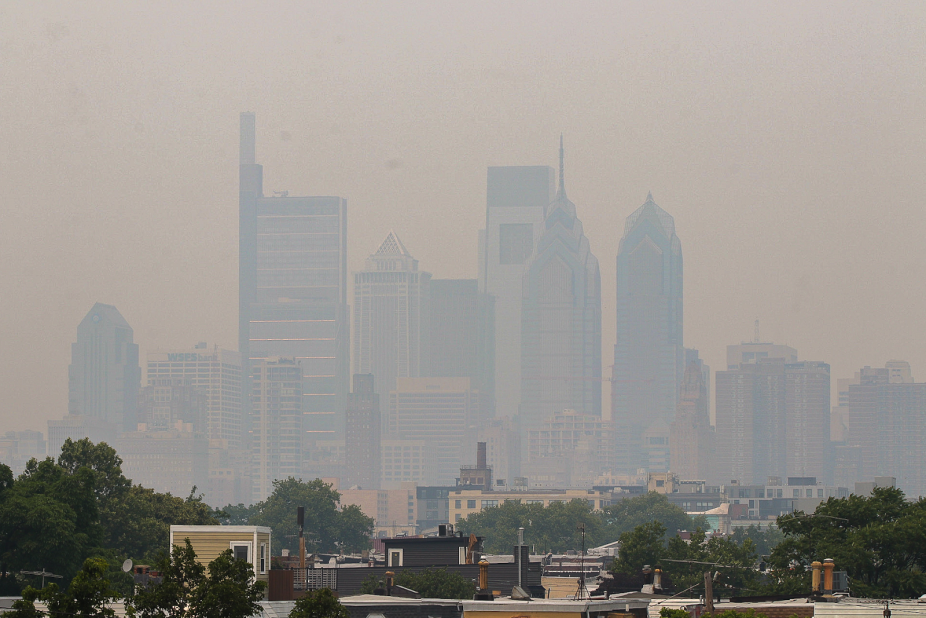
Poor air quality affects millions of people across the United States.
City of Philadelphia
Understanding the processes that create air pollutants is complex, as there are many gases and particles of different sizes, structures, and composition–leading to a “complex chemical soup” in urban areas. GOTHAAM scientists aim to understand these chemical processes to help inform decision makers and communities, and address air quality issues in urban areas.
GOTHAAM scientists are particularly interested in the emission of volatile chemical products (VCPs) in urban environments and their contribution to the production of aerosols. VCPs are a broad class of volatile organic compounds and are commonplace in households, found in glues, paints, shampoos, and perfumes.
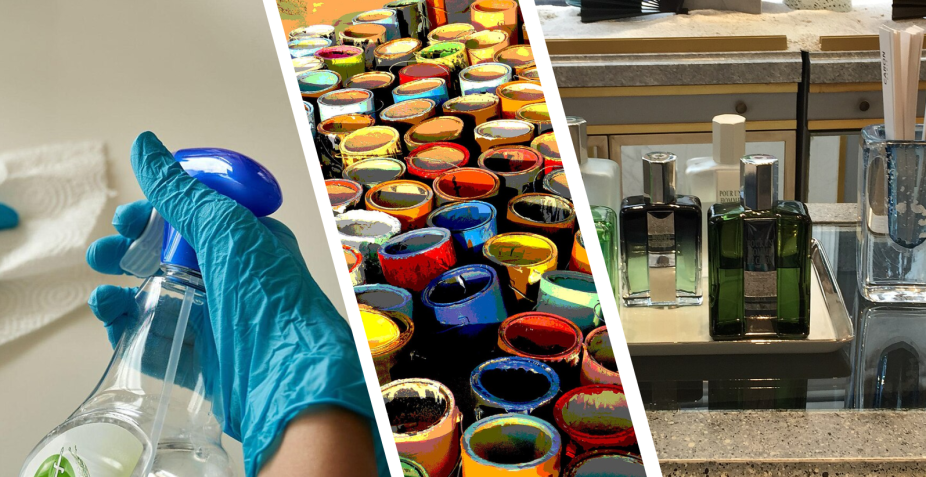
The use of spray cleaners, paint, and perfumes can impact the air quality.
WikiCommons